A private water well is one of the most valuable systems on any property, yet it is often overlooked. Many homeowners assume that if water is flowing, the well is working properly. In reality, problems can develop slowly inside a well water system long before water quality or pressure noticeably declines.
At NightOwl Monitoring, continuous insight into well system performance supports proactive maintenance and long term reliability. Proper well maintenance protects water quality, prevents costly breakdowns, and helps ensure a steady water supply for years to come. Whether you rely on an old well, a modern residential water well, or a shared system, consistent maintenance is essential for performance and safety.
This guide explains why well maintenance matters, what it includes, common warning signs, and how proactive monitoring and inspections help extend the life of your well.
What Is Well Maintenance
Well maintenance refers to the regular inspection, cleaning, testing, and servicing of a water well and its components. It includes the well structure, pump, pressure tank, plumbing connections, and surrounding area.
Well water maintenance is not a single task. It is an ongoing process that helps prevent contamination, pressure loss, mechanical failure, and system inefficiency.
Why Well Maintenance Is So Important
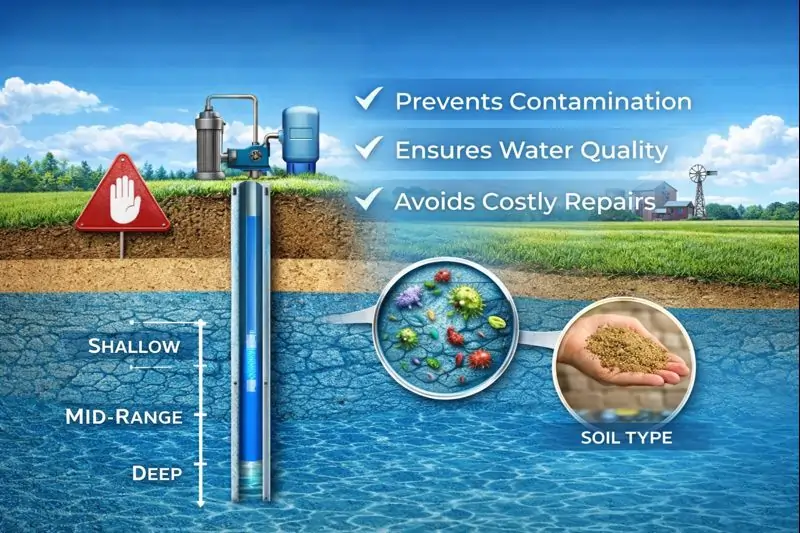
A water well is exposed to natural forces that can affect performance over time. Sediment buildup, bacterial growth, corrosion, pump wear, and pressure issues can all develop gradually.
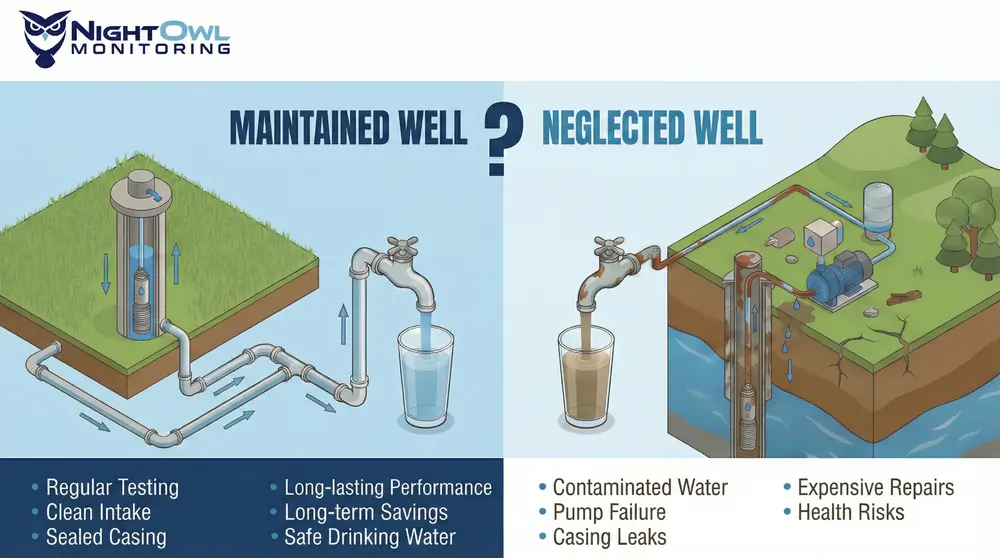
Without routine maintenance, small problems often turn into major failures such as:
- Loss of water pressure
- Contaminated water
- Pump burnout
- Costly emergency repairs
- Unexpected water outages
Well maintenance helps identify issues early, when they are easier and less expensive to fix.
Protecting Water Quality
One of the most important reasons for water well maintenance is protecting water quality. Groundwater can be affected by surface runoff, soil changes, nearby construction, or aging well components.
Old well water systems are especially vulnerable to contamination if casing seals weaken or if disinfection is neglected. Regular water well inspection and cleaning reduce the risk of bacteria, sediment, and harmful contaminants entering the water supply.
Water testing should be part of every maintenance plan to confirm that the water remains safe for drinking and household use.
Preventing Pressure and Flow Problems
Declining water pressure is one of the most common signs of poor well system maintenance. Sediment buildup, worn pumps, pressure tank issues, and clogged components all contribute to reduced performance.
Many homeowners search for ways to increase water pressure from a well without realizing that maintenance issues are often the root cause. Well pump inspection, pressure tank checks, and system flushing can restore proper flow before upgrades or replacements are needed.
Monitoring pressure trends over time helps identify gradual changes that may not be obvious day to day.
Extending the Life of the Well System
A properly maintained well can last decades. Neglected systems often fail much sooner.
Routine well system maintenance helps:
- Reduce pump strain
- Prevent corrosion and mechanical damage
- Maintain consistent pressure
- Avoid sediment related wear
- Protect electrical components
It extends the lifespan of the entire system and reduces the likelihood of sudden breakdowns.
Well Inspection and System Checks
A professional water well inspection evaluates the condition of key components, including:
- Well casing and seals
- Pump operation and electrical performance
- Pressure tank function
- Plumbing connections
- Signs of leaks or corrosion
- Water quality indicators
Inspections are especially important for older wells, wells that have sat unused, or properties with an old water well in the basement or yard.
Well Cleaning and Disinfection
Over time, wells can accumulate sediment, mineral deposits, and bacterial growth. Well cleaning services remove these buildups and restore proper water flow.
Well disinfection is often recommended after repairs, flooding, long periods of inactivity, or positive bacteria test results. This process helps sanitize the system and protect water quality.
Regular well cleaning reduces odor issues, discoloration, and pressure loss caused by buildup inside the well.
Maintenance for Old Wells
Old wells require extra attention. Aging casings, outdated construction methods, and older pump systems increase the risk of failure.
Old well water may show signs such as:
- Metallic taste
- Sediment in water
- Pressure fluctuations
- Frequent pump cycling
Well maintenance services help restore performance while reducing safety risks associated with aging infrastructure.
Well Pump Inspection and Maintenance
The pump is the heart of the well system. Well pump inspection ensures the pump is operating efficiently and not running longer than necessary.
Common pump related issues include:
- Excessive runtime
- Electrical strain
- Reduced output
- Pressure inconsistencies
Early detection through inspection and monitoring prevents pump burnout and expensive replacement.
How Monitoring Improves Well Maintenance
Traditional well maintenance relies on periodic inspections. Modern monitoring adds continuous insight.
With monitoring, changes in pressure, runtime, and system behavior can be detected early. It allows homeowners and service providers to address problems before they lead to system failure or water loss.
NightOwl Monitoring focuses on early issue detection, helping prevent emergencies and protect water system reliability.
Water Well Maintenance Checklist
A basic well maintenance checklist includes:
- Annual well inspection
- Regular water quality testing
- Pump and pressure tank evaluation
- Visual inspection of wellhead and casing
- Monitoring water pressure and flow
- Scheduling well cleaning when needed
- Disinfecting after system disturbances
Following a consistent checklist reduces the risk of unexpected issues.
Well Maintenance Costs vs Repair Costs
Many homeowners delay maintenance due to cost concerns. In reality, routine well water maintenance costs far less than emergency repairs or system replacement.
Preventive maintenance avoids:
- Emergency pump replacement
- Extensive plumbing repairs
- Contamination related remediation
- Property damage from leaks or failures
Monitoring further reduces costs by identifying problems early.
When to Schedule Well Maintenance
You should schedule well maintenance if you notice:
- Changes in water pressure
- Discolored or cloudy water
- Unusual tastes or odors
- Increased pump runtime
- Visible corrosion or damage
- Long periods of system inactivity
Even without visible issues, routine maintenance is recommended to prevent hidden problems.
Final Thoughts on Well Maintenance
The importance of well maintenance cannot be overstated. A water well is a long term investment that requires care, attention, and proactive management.
Through regular inspections, cleaning, and monitoring, homeowners can protect water quality, maintain pressure, and extend the life of their well system. Early detection and preventive maintenance are the most effective ways to avoid costly repairs and unexpected outages.
At NightOwl Monitoring, the goal is simple. Keep well systems reliable, efficient, and protected through early issue detection and smarter system awareness.