Ever wished you could be in two places at once, or drastically cut down on travel time to job sites for routine tasks? While teleportation remains a sci-fi dream, the reality of remote operations is here, empowering you to manage critical systems from virtually anywhere. Many NightOwl Controllers are equipped with advanced relays that unlock this capability, allowing you to remotely operate electric valves and precisely control the turning on and off of contactors and motor starters.
In this blog post, you’ll discover how NightOwl’s remote relay functionality can transform your operational efficiency, reduce downtime, and provide unparalleled peace of mind, all from your office or even your mobile phone.
What Is Remote Operation with Control Relays?
Remote operation with control relays refers to the ability to wirelessly manage physical equipment like pumps, valves, and lighting systems via a central monitoring platform. NightOwl Controllers act as the bridge, receiving commands through a user-friendly dashboard and executing them through integrated relays. These relays function as remote switches, enabling you to open or close circuits and thereby control connected devices without needing to be physically present at the job site. This technology is vital for optimizing response times, conserving resources, and maintaining continuous operational integrity in diverse industrial and agricultural settings.
Benefits of Remote Operation with Control Relays
1. Efficiently Address Variable Frequency Drive (VFD) Faults
Consider a common scenario where a customer reports a VFD fault condition. Traditionally, this would necessitate a site visit to manually cycle the power. With NightOwl’s remote relays, by properly setting up a relay, it becomes possible to remotely turn off the power to the pump until the fault clears. Subsequently, the power can be remotely turned back on to ascertain if the fault condition reoccurs. This common task, typically performed on-site, can now be executed from an office or even a mobile phone, saving significant time and travel expenses.
2. Prevent Water Loss and Site Damage
Another critical application arises if a customer experiences a leak in their distribution system. Precious resources and site integrity can be jeopardized rapidly. With remote control, a valve can be remotely closed to conserve water and prevent the creation of more mud on the job site. This immediate response minimizes environmental impact and costly cleanup efforts.
3. Safeguard Against Freezing Water Systems
One specific system utilizes a circulation valve that can be opened and closed remotely. When cold weather approaches, this valve can be opened to allow water to flow back into the well. This particular small valve facilitates a flow of approximately 5 gallons per minute, which is sufficient to protect the water system from freezing. For instance, if an alert is received indicating a pump house is too cold while one is snow skiing in Colorado, logging onto the dashboard within minutes allows for the remote opening of the valve, providing peace of mind that the water system will not freeze.
Step-by-Step Guide
Step 1 – Understand Relay Capabilities
Begin by identifying which NightOwl Controllers in your network are equipped with relays and understanding their switching capacity (e.g., normally open, normally closed). This foundational knowledge helps in planning how they can integrate with your existing infrastructure, such as electric valves, contactors, or motor starters.
Step 2 – Configure for Specific Applications
Once you understand the capabilities, configure your relays within the NightOwl monitoring platform to perform specific actions. This involves linking a relay to a desired outcome—whether it’s cycling power to a pump, opening a circulation valve, or closing a distribution valve—and setting up the associated triggers or manual control options.
Step 3 – Monitor and Control Remotely
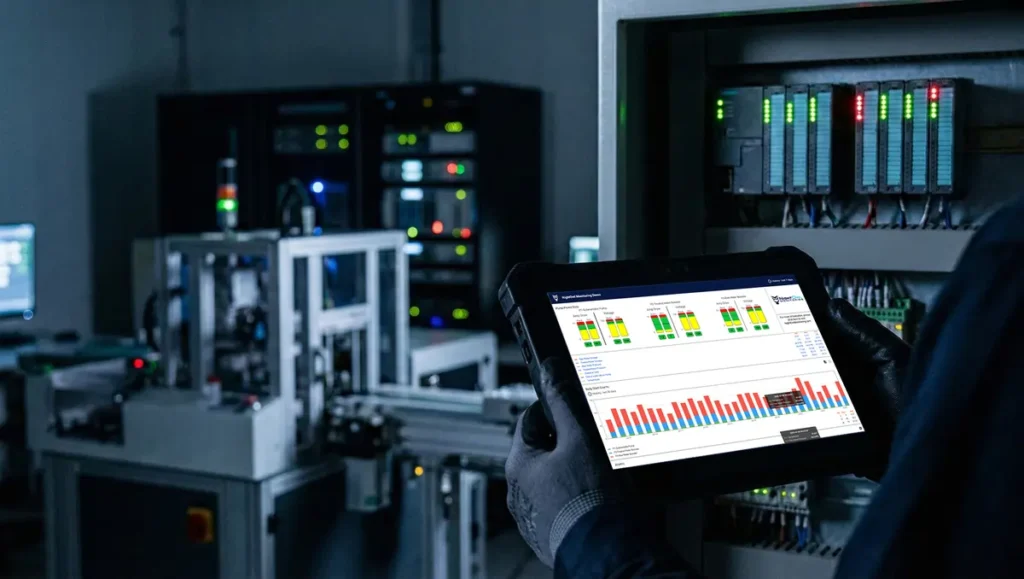
With your relays configured, you can now monitor the status of your connected systems and issue commands remotely through your NightOwl dashboard or mobile application. Receive real-time alerts and take immediate action, ensuring continuous and efficient operation from any location with internet access.
Common Mistakes to Avoid
Mistake 1: Improper Relay Configuration
Incorrectly wiring or programming your relays can lead to unintended operations or failure to function when needed. Always double-check your setup against NightOwl’s guidelines and test the relay’s functionality thoroughly before relying on it for critical operations.
Mistake 2: Ignoring System Feedback
While remote control is powerful, it’s crucial to pay attention to system feedback and alerts. Assuming a remote command executed successfully without verifying the outcome through your monitoring dashboard can lead to unaddressed issues.
Mistake 3: Over-reliance Without Backup
While remote operations significantly enhance efficiency, they should complement robust monitoring. Ensure you have contingency plans or fail-safes in place, especially for critical systems, to account for potential communication loss or power outages.
Frequently Asked Questions
What types of devices can NightOwl relays control?
NightOwl relays can control a variety of electrical devices, including electric valves, contactors, motor starters, and even auxiliary devices like lights or crossover valves, provided they are within the relay’s electrical specifications.
How secure are remote operations?
NightOwl employs robust security protocols for its monitoring platforms, ensuring that only
authorized users can access and control your remote relays, protecting your systems from
unauthorized access.
Is remote operation complex to set up?
Setting up remote operations with NightOwl Controllers is designed to be user-friendly. With clear instructions and support, users can configure relays for their specific needs, making advanced control accessible without extensive technical expertise.
Remote operation with NightOwl’s control relays represents a significant leap forward in operational management. From diagnosing and clearing VFD faults to preventing costly water loss and protecting infrastructure from freezing, these capabilities offer unparalleled efficiency, responsiveness, and peace of mind. By leveraging this simple yet powerful feature, you can revolutionize your service programs and ensure your operations run smoothly, no matter where you are.
Tell us how you want to use your relays and we will help you do it.